GMDSS Sea Areas A1–A4
Understand how the sea areas are defined and how shore and satellite coverage relates to the GMDSS requirements.
Read the sea areas guide →
GMDSS Expert explains maritime radio equipment, distress and safety communications, sea areas, and the knowledge assessed in General Operator’s Certificate (GOC) training. Use the guides to refresh a topic, prepare for an exam, or build a clear understanding of shipboard radio systems.
The learning material is organised around IMO Model Course 1.25 and relevant IMO, SOLAS, STCW and ITU publications. Each guide links to the sources used.
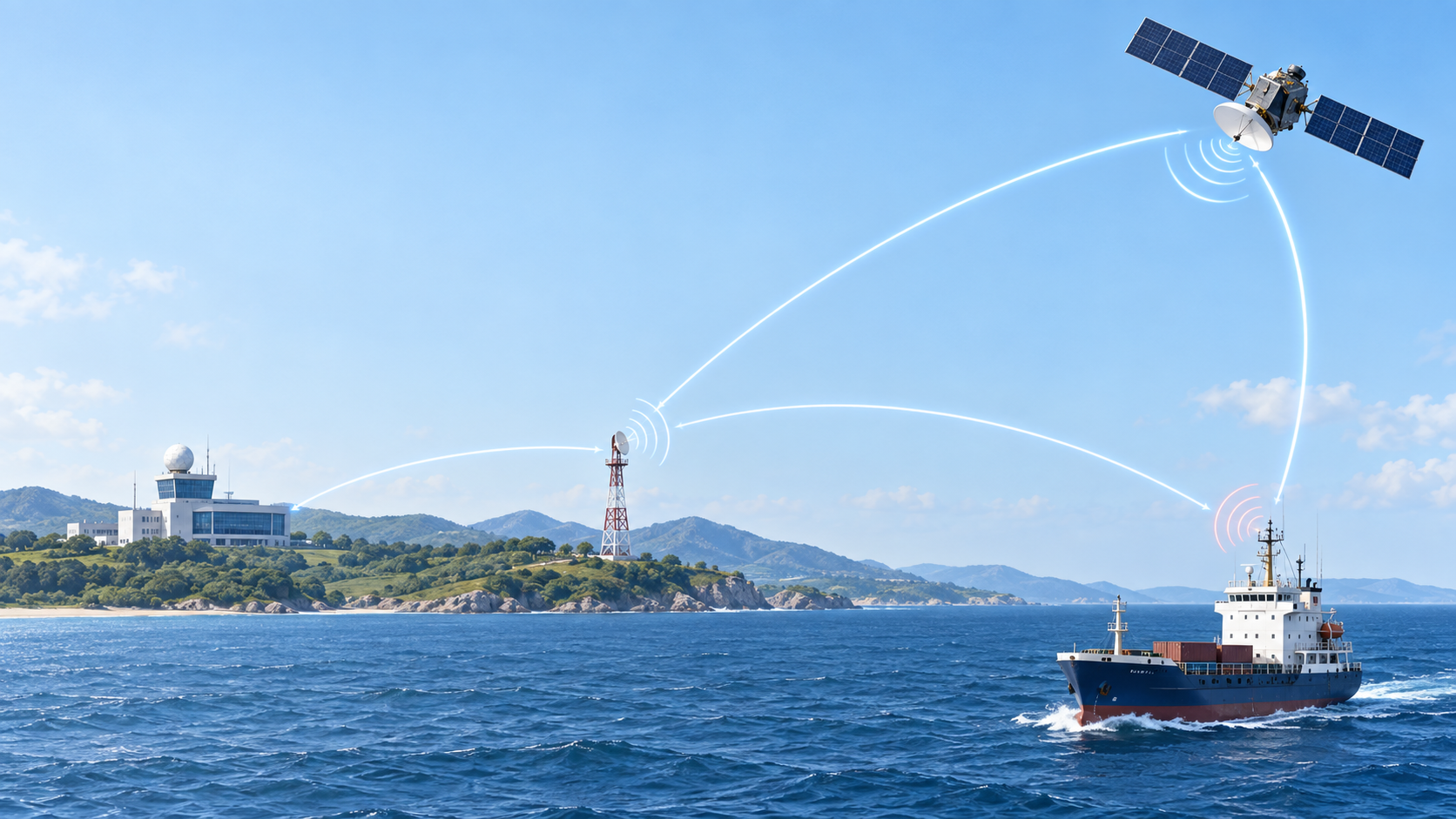
Understand how the sea areas are defined and how shore and satellite coverage relates to the GMDSS requirements.
Read the sea areas guide →Review the purpose of a DSC distress alert and the communication that follows its receipt.
Read the DSC guide →Compare these alerting and locating devices and learn the role each plays in search and rescue.
Compare the devices →Plan your revision of GMDSS equipment, radio communications, regulations and practical skills.
Open the GOC study guide →See how the learning guides use IMO, SOLAS, STCW and ITU publications, with links to primary sources.
Read the source policy →Check your understanding of core GMDSS topics with a self-paced knowledge test.
Start the GMDSS test →Explore a focused practice tool for the SAILOR 6000 series radio interface.
Open CES-6000 practice →VHF, MF and HF radio, DSC, NAVTEX and recognised mobile satellite services.
Distress, urgency and safety communications, alerting, locating and SAR coordination.
Receiving and using MSI, including NAVTEX and satellite-based broadcasts.
SOLAS Chapter IV, STCW requirements, ITU Radio Regulations and relevant documentation.
Ship-to-ship and ship-to-shore radio communications and communication planning.
How A1, A2, A3 and A4 relate to available GMDSS services and equipment.
This page and the English study guides are written in English. Russian version →